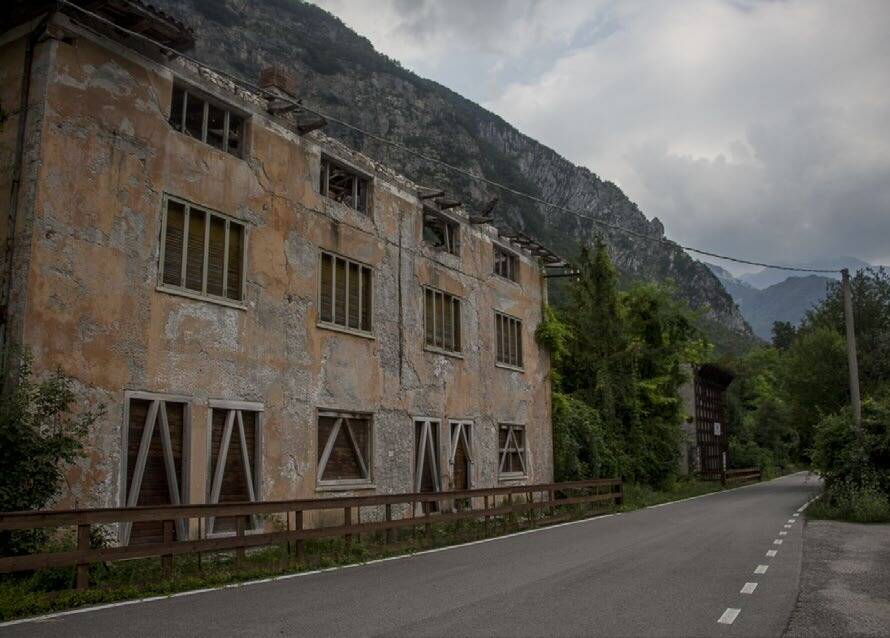

Il Friuli è una zona sismica; le tracce dei terremoti sono parte integrante dell’ambiente di questa regione. Il viaggio parte dallo studio delle strutture tettoniche che caratterizzano l’area per arrivare agli effetti che i grandi terremoti hanno avuto sull’ambiente fisico, sul costruito e sul tessuto socio-economico. Un focus centrale è dedicato al terremoto del 1976, i cui studi e lezioni hanno portato a significativi avanzamenti nella conoscenza, nella prevenzione e nella risposta emergenziale, sia sul piano metodologico che applicato. Verrà mostrato come il processo di ricostruzione, coniugando opportunità di modernizzazione della zona colpita e tutela delle identità, abbia costituito un’esperienza ante litteram di resilienza trasformativa.
Programma generale:
ore 8.00 ritrovo presso Polo Scientifico Rizzi, via delle Scienze 206
ore 8.15 – partenza per Budoia
Budoia località San Martin (9.30-10.30) – i terremoti del passato nelle tracce di una trincea paleosismologica;
10.30-11.30 trasferimento a Braulins
Braulins (11.30-12.30) – Inquadramento sismotettonico della regione friulana NE
Pranzo (13.15-14.15) – presso hotel Carnia: tavola calda con menù convenzionato per 15,00 euro. Pagamento POS individuale.
Portis vecchio (14.30-15.30): SERM Academy
Venzone (ore 16-18.30) Il Duomo di Venzone e visita alla Mostra Tieremotus (due gruppi da 25-27 persone (primo gruppo A-G) (secondo gruppo F-Z).
Rientro a Udine per le 19-19.30
Equipaggiamento sportivo:
Ombrello, giacca a vento, scarponcini leggeri. Il primo stop (Budoia) prevede una breve camminata nel prato. Visto il meteo previsto per questa settimana è quasi certo che ci sarà un po’ di fango.
ENG
Friuli is a seismic area; traces of earthquakes are an integral part of the environment of this region.
The journey begins with the study of the tectonic structures that characterize the area and moves on to the effects that major earthquakes have had on the physical environment, built structures, and the socio-economic fabric. A central focus is dedicated to the earthquake of 1976, whose studies and lessons led to significant advancements in knowledge, prevention, and emergency response, both methodologically and in practice. It will be shown how the reconstruction process, combining opportunities for modernization of the affected area with the protection of local identities, constituted an early example of transformative resilience.
General program:
8:00 AM – meeting at Polo Scientifico Rizzi, via delle Scienze 206
8:15 AM – departure for Budoia
Budoia, San Martin locality (9:30-10:30 AM) – earthquakes of the past traced in a paleoseismological trench;
10:30-11:30 AM transfer to Braulins
Braulins (11:30 AM-12:30 PM) – Seismotectonic overview of the NE Friuli region
Lunch (1:15-2:15 PM) – at Hotel Carnia: hot meal with set menu for 15.00 euros. Individual POS payment.
Old Portis (2:30-3:30 PM): SERM Academy
Venzone (4:00-6:30 PM) The Cathedral of Venzone and visit to the Tieremotus Exhibition (two groups of 25-27 people (first group A-G) (second group F-Z).
Return to Udine around 7:00-7:30 PM
Sports equipment: Umbrella, windbreaker, light hiking boots.
The first stop (Budoia) involves a short walk in the meadow. Given the weather forecast for this week, it is almost certain that there will be some mud.